Strategia Opas
Konservatiivinen voittojen katkaisustrategia 1,5x-2,5x istunnon pelauspääomasta. 1-2 prosentin pelauspääoman riski per pyöräytys. Neljä pelausprofiilin vaihtoehtoa konservatiivisesta korkeariskiseen. Mikään järjestelmä ei voita 96.93 prosentin RTP:tä, mutta suunnitelma pitää pelauspääomasi elossa pidempään.


Mahjong Ways 2 -strategiat: mitä todella toimii?
Rehellinen osa ensin: mikään järjestelmä ei voita 96.93 prosentin RTP:tä. Strategia tarkoittaa kurinalaista pelausta, ei taikaa.
Hae 'Mahjong Ways 2 strategia' ja Martingale sekä Paroli hallitsevat tuloksia. D'Alembert, Fibonacci ja Labouchere näkyvät paljon harvemmin. Uteliaisuuksia, ei standardeja.
1-2 prosentin pelauspääoman sääntö ilmestyy uudestaan ja uudestaan strategiaoppaissa, samoin kuin voittojen katkaisustrategian tavoite 1,5x-2,5x istunnon pelauspääoman välillä. Se on likimääräinen yksimielisyys varovaisten pelaajien joukossa. Jotkut oppaat tavoittelevat 10x:ää tai enemmän, mutta kurinalaiset pelaajat yleensä lukitsevat voitot aikaisemmin.
Kiinteällä suunnitelmalla menetät pienempiä määriä istuntoa kohti keskimäärin. Kasinon etu pysyy täsmälleen samana, mutta pelauspääomasi kestää huomattavasti pidempään.
Mahjong Ways 2 tulee PG Softilta ja se on itsenäisen testauslaboratorion sertifioima, joka tarkastaa sen RNG:n ja RTP:n. Jokainen pyöräytys ajaa sertifioitua moottoria, vaikka minkään strategian taustalla oleva matematiikka ei muutu. Mikään järjestelmä ei voita 96.93 prosentin RTP:tä. Sano tuo lause ääneen ennen jokaista istuntoa.
Yksi tärkeä totuus
Strategia ei muuta todennäköisyyksiä. Se vain muuttaa, kuinka nopeasti pelauspääomasi loppuu. Kurinalainen pelaaja virhtyy harvemmin.
Ydinperussäännöt
Tasainen panosten asettaminen, kiinteä prosenttuaalinen sääntö ja emotionaalinen kontrolli. Siinä järjestyksessä. Kolme sääntöä, jotka estävät virhtyyneiden loppuutuomisen.
Tasainen panosten asettaminen
Sama panos jokainen pyöräytys. 5 dollaria pysyy 5 dollaarina. Ei korotusta tappion tai voiton jälkeen. Se on matemaattisesti puhtain lähestymistapa ja yleisimmin suositeltu strategiaoppaissa.
Kiinteä prosenttuaalinen sääntö
1-2 prosenttia pelauspääomastasi per pyöräytys. 500 dollarin pelauspääomalla se on 5-10 dollaria. Se säätää itse.
Istunnon raja
Aseta tappioraja ennen jokaisen istunnon alkua. 300 dollaria per istunto on yleinen perusta varovaisille pelaajille. Raja saavutettu tarkoittaa, että istunto on ohi. Ei poikkeuksia.
Yleinen sanontatapa: '20 dollarin voitto on parempi kuin mitään.' Se erottaa pelaajat suunnitelmalla pelaajista, jotka pelaavat toivolla.
Valitse oma panoksen kokoprofiili
Konservatiivinen, tasapainoinen, aggressiivinen, korkeatuloinen. Neljä erilaista tapaa asettaa panoksi saman korkean volatiliteetin pelin kanssa. Panoksen kokoprofiilin valinta on ensimmäinen ja tärkein strateginen päätös.
| Profiili | Panoksen koko | Volatiliteetin soveltuvuus | Tavoiteltu kerroin | Tyypillinen voittojen katkaisija | Paras |
|---|---|---|---|---|---|
| Konservatiivinen | 24 | 1:25 | 0.5-1% | 1,3x-1,8x | Aloittelijat, pelauspääoman rakentaminen, demo-harjoitelu |
| Tasapainoinen | 22 | 3:25 | 1-2% | 1,8x-3,0x | Kokeneet, varovaiset pelaajat |
| Aggressiivinen | 20 | 5:25 | 2-4% | 3,0x-5,0x | Riskinkaltaiset pelaajat |
| Korkeatuloinen | 15 | 10:25 | 4%+ | 5,0x+ | Bonusmetsästäjät, pienet panokset vain |
Konservatiivisen profiilin avulla useimmat istunnot saavuttavat 1,3x-1,8x voittojen katkaisustrategian tavoitteen noin 50-80 pyöräytyksen sisällä. Korkeatuloisen profiilin kanssa alle 15 prosenttia istunnoista saavuttaa koskaan 5x voittojen katkaisustrategian ennen kuin pelauspääoma loppuu. Rakenna pelauspääomasi konservatiivisen tai tasapainoisen panosten asettamisen avulla. Kohtele korkeatuloista profiilia viihteenä.
Panoksen kokoprofiilin valinta edeltää mitä tahansa voittojen katkaisustrategian tavoitetta. Näiden sekoittaminen asettaa ansaa, johon astut myöhemmin. Mahjong Ways 2:n korkea volatiliteetti on kiinteä ja tarkoituksellinen, joten tee selkeä valinta siitä, kuinka paljon siitä olet altistettu. Käytä sitä.
Varhainen voittojen katkaisija. 1,5x-2,5x strategia
Useimmat strategiaoppaat suosittelevat voittojen katkaisustrategian tavoitetta 1,5x-2,5x istunnon pelauspääoman välillä. Ei 10x, ei 100x. Se ei ole sattuma.
Perustelut ovat yksinkertaiset. Mahjong Ways 2 maksaa 96.93 prosenttia jokaisesta panoksesta pitkällä aikavälillä, riippumatta siitä, milloin lopetat pelaamisen. Vaatimaton 1,5x-2,5x voittojen katkaisustrategian tavoite lukitsee vain voittoa ennen kuin luonnollinen vaihtelevuus antaa sen takaisin. Tavoitella 10x tai 100x istunnon tavoitetta tarkoittaa paljon useamman häviävän pyöräytyksen ratsastamista ensin, ja useimmat istunnot eivät koskaan pääse sinne.
Konservatiivinen 1,5x-2,5x alue on realistisin alue useimmille istunnoille. Strategiaoppaat kautta linjan kuvaavat sitä 'matalan riskin' alueeksi, kun taas 3x-4x tavoite saa 'tasapainoisen' leiman ja kaikki 10x:n jälkeen 'korkean riskin' alueeksi.
Käytännössä: valitse voittojen katkaisustrategian numero ennen aloittamista, esimerkiksi 1,8x tai 2,0x istunnon pelauspääomasta, ja kirjoita se muistiin. Ihmiset ovat huonoja kävelemään pois häviävässä jaksossa. Numero päätettynä etukäteen ei ole.
Useimmat kasinot antavat sinun asettaa automaattisen pyöräytyksen pysäytys-voitolla raja tavoiteltuun kertoimeen, joten ohjelmisto pakottaa kurinalaista pelausta sinun sijaan, että joutuisit muistamaan sen istunnon aikana.
1,5x-2,5x alue
Sopiva useimmille pelaajille. Pelauspääoma pysyy vakaana, ja noin 55-65 prosenttia istunnoista saavuttaa tämän tavoitteen tasapainoisella panoksella.
3,0x-4,0x alue
Suurempi volatiliteetti, silti järkevä. Vaatii suurempaa pelauspääomaa ja kuivien kausien sietämistä.
10x+ tavoite
Vain minimaalisilla panoksilla. Alle 10 prosenttia istunnoista pääsee sinne, ja konkurssi on tavallista.
Martingale ja miksi sinun pitäisi olla varovainen
Kaksinkertaista panos jokaisen tappion jälkeen kunnes voitto tulee. Elegantti teoriassa, usein katastrofaalinen käytännössä.
| Kierros | Tila | Panos | Kumulatiivinen tappio |
|---|---|---|---|
| 1 | Tappio | $1.00 | $1.00 |
| 2 | Tappio | $2.00 | $3.00 |
| 3 | Tappio | $4.00 | $7.00 |
| 4 | Tappio | $8.00 | $15.00 |
| 5 | Tappio | $16.00 | $31.00 |
| 6 | Tappio | $32.00 | $63.00 |
| 7 | Tappio | $64.00 | $127.00 |
| 8 | Tappio | $128.00 | $255.00 |
Kahdeksan tappion peräkkäin tapahtuu Mahjong Ways 2:lla useammin kuin Martingale-fanit myöntävät. 1 dollarin alkupanos muuttuu 128 dollariksi. Kumulatiivinen tappio osuu 255 dollariin. 500 dollarin pelauspääomalla yksittäinen epäonninen jakso voi lopettaa istunnon suoraan.
Miksi Martingale usein epäonnistuu
- Max Bet Limit: Monet kasinot rajoittavat maksimipanoksen per pyöräytys 100 dollariin tai pienemmäksi. Muutaman kaksinkertaistamisen jälkeen vaadittu panos muuttuu mahdottomaksi.
- Pelauspääoma liian pieni: 1-2 prosentin sääntö törmää suoraan Martingaleen. Joku, joka panoksissa 10 dollaria 2 prosentteina ja kaksinkertaistaa kahdeksan kertaa, vaatii 1280 dollaria yhdeksännelle pyöräytyselle.
- Psykologisesti myrkyllistä: Jokainen kaksinkertaistaminen nostaa emotionaalista painetta. Seitsemän tappion peräkkäin on vaikeampi istua kuin neljäkymmentä tavallista.
- Ei matemaattista etua: Kasinon etu pysyy vakiona 3.07 prosentissa. Martingale vain sekoittaa tappion jakelua, monia pieniä voittoja vastaan harvinaisia mutta täydellisiä konkurssia.
Paroli / Anti-Martingale
Kaksinkertaista panos jokaisen voiton jälkeen ja palaa alkuperäiseen panokseen tappion jälkeen. Se on Martingalen peilikuva ja monille pelaajille parempi työkalu.
Paroli, jota kutsutaan myös Anti-Martingaliksi, kääntää logiikan. Sen sijaan, että tavoittelisit tappioita, ratsastelet voittavilla jaksoilla. Kolmen voiton jälkeen peräkkäin panos kasvaa eksponentiaalisesti, mutta vain käyttämällä jo voitettuja rahoja. Alkuperäinen pelauspääoma pysyy suojattu.
Esimerkki: 5 dollarin alkupanos. Yhden voiton jälkeen 10 dollaria. Kahden voiton jälkeen 20 dollaria. Kolmen voiton jälkeen palaa 5 dollariin. Tämä rajoittaa kuinka pitkäksi jakso voi jatkua.
Paroli yhdessä silmäyksessä
Etu: Ratsastaa voittavilla jaksoilla, ilman Martingalen pelauspääoman riskiä.
Heikkous: Kolme voittoa peräkkäin ovat harvinaisia. Paroli-jaksot yleensä katkelevat varhaisessa vaiheessa.
Pohjimmiltaan: Vakaampi kuin Martingale. Selkeä pysäytyssääntö kolmen vaiheen jälkeen on välttämätön.
Pelauspääoman hallinta dollareissa
Laske, älä arvaa. Pelauspääoma, jota ei ole määritelty numeroissa, ei ole pelauspääoma, se on toivo.
| Pelauspääoma | 1% per pyöräytys | 2% per pyöräytys | Istunnon raja (60% pelauspääomasta) | Istunnon pituus |
|---|---|---|---|---|
| $250 | $2.50 | $5.00 | $150 | 30-45 min |
| $500 | $5.00 | $10.00 | $300 | 45-60 min |
| $1,000 | $10.00 | $20.00 | $600 | 60-90 min |
| $2,500 | $25.00 | $50.00 | $1,500 | 90 min |
| $5,000 | $50.00 | $100.00 | $3,000 | 90 min |
Tämä taulukko ei ole lupaus, se on kehys. 500 dollarin pelauspääoma on realistinen lähtökohta useimmille pelaajille. Panokset 5-10 dollarin välillä istuvat mukavasti tämän automaatin salliman 0,20-100 dollarin panosalueen sisällä.
1-2 prosentin sääntö heijastaa logiikkaa monet lisensoitujen kasinoiden nyt pelaajille tarjoamien talletusrajojen takana, joiden tavoite on pitää pelaajat hallinnassa, tyypillisesti rajoitettu muutamaan sataan dollariin kuukaudessa. 500 dollarin pelauspääoman pelaaminen 5-10 dollarin yksiköinä antaa sinulle 50-100 pyöräytystä istuntoa kohti, riittävästi luonnollisen vaihtelun tasoittamiseen ilman emotionaalista täydellisen menetyksen riskiä.
Maksut edellä mainituissa kasinoissa kulkevat yleensä korttien, e-lompakoiden kuten Skrilin ja kryptovaluutan kautta. Vähimmäistalletukset yleensä istuvat 10-40 dollarin välillä. Alle 100 dollarin aloitussummat ovat liian pieniä vakavaan pelauspääoman hallintaan.
Aikarajat ja tauot
Aika on toinen akseli, jonka vastuullisen pelaamisen työkalut kuten BetBlocker pitävät yhtä tärkeänä.
Strategiaoppaat suosittelevat aikarajoja rahan rajojen rinnalla. Yleiset ikkunat ovat 30-60 minuuttia per istunto. Mahjong Ways 2:n nopea pyöräytys sykli tekee ajan seurannasta erityisen helppoa menettää seurantaa.
Yksittäinen pyöräytys ratkeavat noin 4 sekunnissa. 60 minuutissa voit käydä läpi 400-600 pyöräytystä. Kurinpito ja reaktioaika molemmat laskevat merkittävästi 45 minuutin jälkeen.
Minun sääntö: 5 minuutin tauko kolmen voiton jälkeen peräkkäin. Voittavat jaksot ovat vaarallisia, koska ne paisuttavat itseluottamusta. Jatka pelaamista yhden läpi ja tyypillisesti palautat voitot takaisin viiden pyöräytyksen sisällä.
Aikarajat vertailussa
30 min: Vapaamuotoisen pelaajille konservatiivisen tai tasapainoisen panoksen asettamisella, jopa 200 pyöräytystä.
60 min: Standardi kokeneilleille pelauspääoman hallintapelaajille, 400-600 pyöräytystä.
90 min: Yläraaja. Harkinta laskee terävä tämän jälkeen, sulje istunto sen sijaan.
24 hrs: Enintään kaksi istuntoa päivässä. Päivä, jossa on kolme tai neljä istuntoa, melkein aina päättyy tappioon.
Vastuullisen pelaamisen oppaat suosittelevat vähintään 30 minuutin taukoa istuntojen välillä, ei vain kolmen pyöräytyksen lepoa. Todelliset tauot, kahvi, kävely, nollataset emotionaalisen järjestelmän.
Yhteiset virheet ja kuinka välttää ne
Kymmenen virhettä, jonka tein itse noin 2800 pyöräytyksen yli. Ei teoriaa, oikea asia. Muutama niistä maksoi minulle 40-90 dollaria yhdessä illassa.
| Virhe | Taajuus | Seuraus | Korjaus |
|---|---|---|---|
| Istunnon rajan asettamatta jättäminen | Hyvin tavallista | Pelauspääoma pyyhittiin kokonaan | Aseta kiinteä raja ennen aloittamista (60% pelauspääomasta) |
| Pelaaminen voittojen katkaisustrategian tavoitteen jälkeen | Hyvin tavallista | Voittava istunto muuttuu häviäviksi | Aseta automaattinen pyöräytys pysäytys-voitolla osoitteessa 1,8x tai 2,0x |
| Panoksen korotus häviävän jakson aikana | Tavallista | Pelauspääoma leikataan puoleen nopeasti | Tasainen panosten asettaminen, ei korotuksia paineen alla |
| Suoran hyppään korkeatuloisen panokselle | Tavallista | $300 mennessä kahdessa illassa | Hallitse konservatiivinen ja tasapainoinen panosten asettaminen ensin |
| Yritys 'voittaa takaisin' tappiot | Hyvin tavallista | Virhtyyntymys, eksponentiaalisesti suuremmat tappiot | Sulje istunto välittömästi, ota 24 tunnin tauko |
| Pelaaminen suoraan voittamisen jälkeen | Tavallista | Voitto haihtuu viiden pyöräytyksen sisällä | Ota 5 minuutin tauko kolmen voiton jälkeen peräkkäin |
| Muistiinpanojen tekemättä jättäminen | Tavallista | Samat virheet toistuvat uudestaan | Pidä istunnon loki: panos, voittojen katkaisija piste, tulos |
| Wagerointivaatimuksen lukemisen puuttuminen | Tavallista | Ei maksua 'voitosta' huolimatta | Laske mukaan ilmoitettu wagerointivaatimus (0x-35x kasinosta riippuen) |
| Pelaaminen väsyneenä tai juomisen jälkeen | Tavallista | Kaikki kurinpito katoaa | Ei istuntoja juomisen tai väsymyksen aikana |
| Sovellusten tai ennustaja työkalujen luottaminen | Hyvin tavallista | Petos plus tietojen varkaus | Luota kasinon julkaistuun RNG-sertifiointiin sen sijaan |
RNG-sertifiointi strategian perustana
Strategia on merkityksellistä vain, jos voit luottaa alla olevaan järjestelmään. PG Soft ansaitsee tämän luottamuksen itsenäisen laboratorion sertifioinnin kautta. Hyväksytty testauslaboratorio tarkastaa RNG:n ja vahvistaa julkaistun RTP:n.
Itsenäinen RNG-sertifiointi toimii eri tavoin kuin seed-pohjainen crash-peli. Hyväksytty laboratorio kuten iTechLabs tai GLI ajaa miljoonia simuloituja pyöräytyksiä pelin satunnaislukugeneraattoria vastaan, vahvistaa tulosten vastaavan julkaistua RTP:tä pitkällä aikavälillä, ja antaa todistuksen kasinon näyttää sen alatunnisteessa tai lisensiointisivulla. Et voi tarkistaa yksittäistä pyöräytystä samalla tavalla kuin salauskytkimen tiivistettä, mutta kokonaismatematiikka on itsenäisesti tarkastettu ennen kuin peli koskaan menee live.
Toisin kuin yksittäisen tiivisten tarkistaminen, RNG-laboratorion sertifiointi vahvistaa oikeudenmukaisuuden miljoonien kierrosten yli, ei yksitellen. Se ei muuta 96.93 prosentin RTP:tä, mutta se tarkoittaa, että sen taustalla olevat luvut on itsenäisesti varmennettu.
Käytännössä: etsi RNG-sertifiointi logo kasinon alatunnisteesta tai tarkista sen lisensiointisivu testauslaboratorion nimelle. Nopea haku kyseiselle laboratoriolle ja pelin tarjoajalle vahvistaa, että auditointi on nykyinen.
Useimmilla lisensoituilla online-peliautomaateilla on sama tyyppinen itsenäinen laboratorion sertifiointi. Mahjong Ways 2:n sertifiointi on hyvin dokumentoitu, mikä on strateginen etu, jonka monet pelaajat jättävät huomiotta.
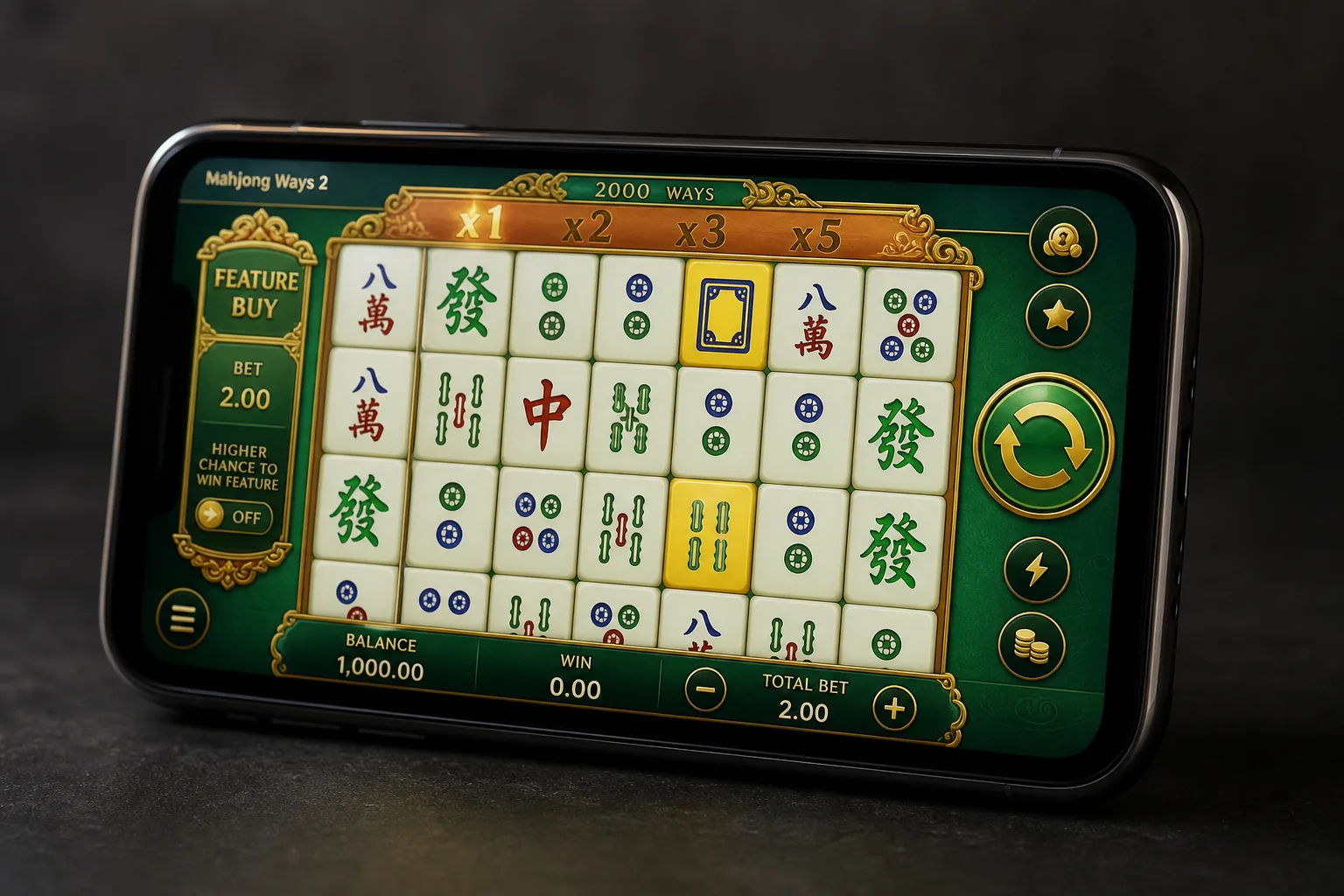
Vahvistus kolmessa vaiheessa
1. Etsi RNG-sertifiointi logo tai lisensiointisivu.
2. Vahvista testauslaboratorion nimi (iTechLabs, GLI tai vastaava).
3. Hae laboratorion nimi sekä pelin tarjoaja vahvistaaksesi, että sertifikaatti on nykyinen.
Vastuullisesti pelaaminen: Gambling Therapy, Gamblers Anonymous, BetBlocker
Kolme resurssia, ilmaisia ja luottamuksellisia. Tieto, mistä ne löytävät, tekee siitä helpompi todella ottaa yhteyttä.
Tukiresurssit
- Gambling Therapy: ilmainen online-tuki 24/7
- Gamblers Anonymous vertaistukitapaamisia ja itsearviointi
- BetBlocker: betblocker.org
- Itsesulkeminen: BetBlocker estää uhkapelisivustot ja sovellukset kaikilla laitteillasi, ilmaiseksi
- Live-chatti: Gambling Therapy tarjoaa myös live-tukea monilla kielillä suoraan verkkosivuiltaan
- Itsearviointi: Gambling Therapyn verkkosivusto sisältää budjettin laskimen ja lyhyen itsetestin omien riskitasojesi tarkistamiseen
Varoitusmerkit, jotka kannattaa ottaa vakavasti
- Panokset nousevat jatkuvasti, vaikka pelauspääomasi ei kasva
- Istunnot ajetaan pidempään, vaikka aiot lopettaa
- Jatkat pelaamisesta miettimistä istuntojen välillä
- Piilotat tappiot perheenjäseneltä tai kumppanilta
- Lainaat rahaa tai kurkottat yhdennelleen rahtuun tallettaaksesi
- Mielialasi heilahtelee ärtymyksestä euforiaan riippuen tuloksista
Curaçao-lisensoituja kasinoja ei ole yhdistetty keskitettyyn kansalliseen itsesulkemisen rekisteriin. Jos haluat täydellisen blokin, käytä BetBlockeria kaikilla laitteillasi ja aseta itsesulkeminen suoraan kunkin kasinon tilin asetuksissa.
Gambling Therapyn avustuslinja on suoraviivainen, ei tuomitseva. Yhteydenottaminen saa sinulle oikeita vastauksia, ei kutsuntaa.
Usein kysytyt strategiakysymykset
Yleisimmät kysymykset JooCasinon, Melbetin ja 22Betin tukilipuista. Käytännölliset vastaukset, ei teoriaa.